
Dry Ribbon Blender Mixer for Laundry Detergent
The Efficacy of Dry Ribbon Blender Mixers in Laundry Detergent Production
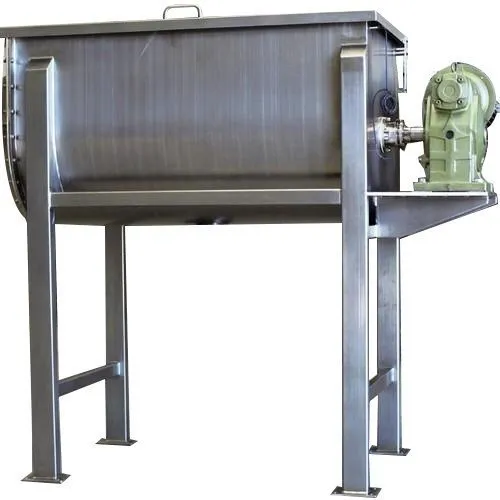
Dry ribbon blender mixers are a cornerstone in the manufacturing of laundry detergents, offering a highly efficient and versatile solution for blending dry powders and granules. These machines are specifically designed to handle the unique characteristics of detergent formulations, ensuring a homogeneous and high-quality end product. The integration of this technology into detergent production lines significantly enhances both the consistency and the overall performance of the final consumer product.
Design and Operational Principles
A typical dry ribbon blender mixer consists of a U-shaped horizontal trough housing a spiral ribbon agitator. This agitator features inner and outer helical ribbons that rotate at a relatively low speed, typically between 20 and 60 revolutions per minute (RPM). This deliberate speed fosters a gentle yet profoundly thorough mixing action, which is paramount for delicate detergent components. The outer ribbon works to move materials in one direction, systematically pushing them along the length of the trough, while the inner ribbon simultaneously moves them in the opposite direction. This intricate counter-flow dynamic creates a balanced and continuous tumbling motion, effectively preventing any segregation of particles and ensuring a truly uniform distribution of ingredients throughout the entire batch. This consistent intermixing is vital in preventing clumping and ensuring that every particle of the detergent powder contributes to its intended cleaning power.
Some advanced ribbon blender further enhance their capabilities by incorporating chopper blades within the mixing vessel. These choppers, which can be independently controlled, serve a critical function in preventing lump formation and significantly accelerating the mixing process, especially when liquid additives are introduced into the dry blend. The meticulous engineering behind the ribbon dimensions and their precise configuration plays a crucial role in eliminating “dead spots” within the mixer. These dead spots are areas where material might remain stagnant and not be properly mixed, leading to inconsistencies. By eradicating these zones, the design promotes a rapid and complete product discharge, minimizing residual material and maximizing operational efficiency.
Advantages in Laundry Detergent Manufacturing
The utilization of dry ribbon blender mixers in the intricate process of laundry detergent production offers a multitude of compelling advantages:
* Homogeneous Blending and Consistent Quality: The foremost benefit lies in the unparalleled ability to achieve a highly uniform blend of dry powders and granular materials. This attribute is absolutely critical for laundry detergents, as consistent quality directly translates to consistent performance. Ensuring that every batch performs identically eliminates undesirable batch-to-batch variations, which could otherwise lead to customer dissatisfaction. The balanced counter-flow motion is engineered to guarantee that all particles, regardless of their size or density, are thoroughly intermixed, resulting in a product with a consistent texture, appearance, and, most importantly, consistent cleaning effectiveness.
* Efficiency and High Output: Ribbon blenders are renowned for their impressive mixing speeds, often capable of completing an entire batch within a remarkably short timeframe, typically ranging from 2 to 10 minutes. This exceptional efficiency directly contributes to a significantly higher production output and considerably faster processing times, which are crucial in meeting market demands. Their scalable design allows them to be effectively utilized in a broad spectrum of operations, from small laboratory-scale pilot projects to expansive industrial units with capacities that can reach thousands of liters, demonstrating their adaptability to various production scales.
* Versatility: These robust mixers exhibit remarkable versatility, capable of handling a wide array of dry powder and granular materials. This makes them exceptionally well-suited for diverse and evolving detergent formulations, accommodating various active ingredients, fillers, and other essential components. Furthermore, many modern mixers are engineered to adeptly accommodate small, controlled amounts of liquid additives for wet mixing applications, thereby expanding their functional utility and providing greater flexibility in formulation development.
* Cost-Effectiveness: From an economic perspective, ribbon blenders generally boast a relatively low cost of acquisition when compared to other advanced mixing technologies. Their straightforward and robust design also translates into lower maintenance requirements, contributing to a reduced total cost of ownership. Moreover, their operational efficiency means they require minimal energy consumption, further enhancing their cost-effectiveness and contributing to sustainable manufacturing practices.
* Material Construction: To rigorously withstand the potentially corrosive chemical nature of various detergent powders and to uphold stringent hygiene and quality control standards, these mixers are almost universally constructed from high-grade, corrosion-resistant materials. Stainless steel is the material of choice, offering not only exceptional durability and a longer operational lifespan but also unparalleled ease of cleaning. This robust construction reduces the frequency of repairs and replacements, translating into significant long-term savings.
* Reduced Product Waste: By meticulously ensuring an even and consistent blend, ribbon blenders play a pivotal role in minimizing material waste during the production process. Each batch consistently meets the predefined quality standards, thereby reducing the incidence of off-spec products that would otherwise need to be discarded or reprocessed. This precise blending directly contributes to higher yield and more sustainable manufacturing.
Operational Considerations
While undeniably highly effective, there are certain operational considerations that manufacturers employing dry ribbon blender mixers must take into account. These machines are optimally suited for dry, free-flowing materials. When dealing with highly sticky or exceptionally cohesive materials, there is a potential for these substances to adhere to the internal mixing surfaces. This adherence can not only reduce mixing efficiency but also make the cleaning process considerably more challenging. Consequently, diligent and regular maintenance, coupled with thorough cleaning after each batch, is absolutely essential. This rigorous cleaning regimen is crucial for preventing cross-contamination between different product formulations and for avoiding the detrimental buildup of residual material, which could compromise subsequent batches. Fortunately, continuous advancements in design, such as the implementation of full welding for internal seams, meticulous internal polishing to create ultra-smooth surfaces, and the integration of optional Clean-in-Place (CIP) systems, have significantly addressed and mitigated many of these historical cleaning challenges, making modern ribbon blenders even more user-friendly and efficient.
Dry ribbon blender mixers are a cornerstone in the manufacturing of laundry detergents, offering a highly efficient and versatile solution for blending dry powders and granules. These machines are specifically designed to handle the unique characteristics of detergent formulations, ensuring a homogeneous and high-quality end product. The integration of this technology into detergent production lines significantly enhances both the consistency and the overall performance of the final consumer product.
Design and Operational Principles
A typical dry ribbon blender mixer consists of a U-shaped horizontal trough housing a spiral ribbon agitator. This agitator features inner and outer helical ribbons that rotate at a relatively low speed, typically between 20 and 60 revolutions per minute (RPM). This deliberate speed fosters a gentle yet profoundly thorough mixing action, which is paramount for delicate detergent components. The outer ribbon works to move materials in one direction, systematically pushing them along the length of the trough, while the inner ribbon simultaneously moves them in the opposite direction. This intricate counter-flow dynamic creates a balanced and continuous tumbling motion, effectively preventing any segregation of particles and ensuring a truly uniform distribution of ingredients throughout the entire batch. This consistent intermixing is vital in preventing clumping and ensuring that every particle of the detergent powder contributes to its intended cleaning power.
Some advanced ribbon blender further enhance their capabilities by incorporating chopper blades within the mixing vessel. These choppers, which can be independently controlled, serve a critical function in preventing lump formation and significantly accelerating the mixing process, especially when liquid additives are introduced into the dry blend. The meticulous engineering behind the ribbon dimensions and their precise configuration plays a crucial role in eliminating “dead spots” within the mixer. These dead spots are areas where material might remain stagnant and not be properly mixed, leading to inconsistencies. By eradicating these zones, the design promotes a rapid and complete product discharge, minimizing residual material and maximizing operational efficiency.
Advantages in Laundry Detergent Manufacturing
The utilization of dry ribbon blender mixers in the intricate process of laundry detergent production offers a multitude of compelling advantages:
* Homogeneous Blending and Consistent Quality: The foremost benefit lies in the unparalleled ability to achieve a highly uniform blend of dry powders and granular materials. This attribute is absolutely critical for laundry detergents, as consistent quality directly translates to consistent performance. Ensuring that every batch performs identically eliminates undesirable batch-to-batch variations, which could otherwise lead to customer dissatisfaction. The balanced counter-flow motion is engineered to guarantee that all particles, regardless of their size or density, are thoroughly intermixed, resulting in a product with a consistent texture, appearance, and, most importantly, consistent cleaning effectiveness.
* Efficiency and High Output: Ribbon blenders are renowned for their impressive mixing speeds, often capable of completing an entire batch within a remarkably short timeframe, typically ranging from 2 to 10 minutes. This exceptional efficiency directly contributes to a significantly higher production output and considerably faster processing times, which are crucial in meeting market demands. Their scalable design allows them to be effectively utilized in a broad spectrum of operations, from small laboratory-scale pilot projects to expansive industrial units with capacities that can reach thousands of liters, demonstrating their adaptability to various production scales.
* Versatility: These robust mixers exhibit remarkable versatility, capable of handling a wide array of dry powder and granular materials. This makes them exceptionally well-suited for diverse and evolving detergent formulations, accommodating various active ingredients, fillers, and other essential components. Furthermore, many modern mixers are engineered to adeptly accommodate small, controlled amounts of liquid additives for wet mixing applications, thereby expanding their functional utility and providing greater flexibility in formulation development.
* Cost-Effectiveness: From an economic perspective, ribbon blenders generally boast a relatively low cost of acquisition when compared to other advanced mixing technologies. Their straightforward and robust design also translates into lower maintenance requirements, contributing to a reduced total cost of ownership. Moreover, their operational efficiency means they require minimal energy consumption, further enhancing their cost-effectiveness and contributing to sustainable manufacturing practices.
* Material Construction: To rigorously withstand the potentially corrosive chemical nature of various detergent powders and to uphold stringent hygiene and quality control standards, these mixers are almost universally constructed from high-grade, corrosion-resistant materials. Stainless steel is the material of choice, offering not only exceptional durability and a longer operational lifespan but also unparalleled ease of cleaning. This robust construction reduces the frequency of repairs and replacements, translating into significant long-term savings.
* Reduced Product Waste: By meticulously ensuring an even and consistent blend, ribbon blenders play a pivotal role in minimizing material waste during the production process. Each batch consistently meets the predefined quality standards, thereby reducing the incidence of off-spec products that would otherwise need to be discarded or reprocessed. This precise blending directly contributes to higher yield and more sustainable manufacturing.
Operational Considerations
While undeniably highly effective, there are certain operational considerations that manufacturers employing dry ribbon blender mixers must take into account. These machines are optimally suited for dry, free-flowing materials. When dealing with highly sticky or exceptionally cohesive materials, there is a potential for these substances to adhere to the internal mixing surfaces. This adherence can not only reduce mixing efficiency but also make the cleaning process considerably more challenging. Consequently, diligent and regular maintenance, coupled with thorough cleaning after each batch, is absolutely essential. This rigorous cleaning regimen is crucial for preventing cross-contamination between different product formulations and for avoiding the detrimental buildup of residual material, which could compromise subsequent batches. Fortunately, continuous advancements in design, such as the implementation of full welding for internal seams, meticulous internal polishing to create ultra-smooth surfaces, and the integration of optional Clean-in-Place (CIP) systems, have significantly addressed and mitigated many of these historical cleaning challenges, making modern ribbon blenders even more user-friendly and efficient.
OUR OTHER PROCESS EQUIPMENT
We are a leading manufacturer and supplier of:
Ribbon Blender : Ensuring uniform and efficient mixing for diverse applications.
Screw Conveyor : Reliable material handling for various industries.
Double Cone Blender : Perfect for precision mixing of dry powders and granules.
V Blender : High-performance blending with consistent results.
Lab Scale Blender : Ideal for research and small-scale production needs.